We transform toxic waste into the infrastructure of tomorrow
We replace Expanded Polystyrene (EPS) using cellulose acetate recycled from cigarette butts to create high-performance biocomposites.
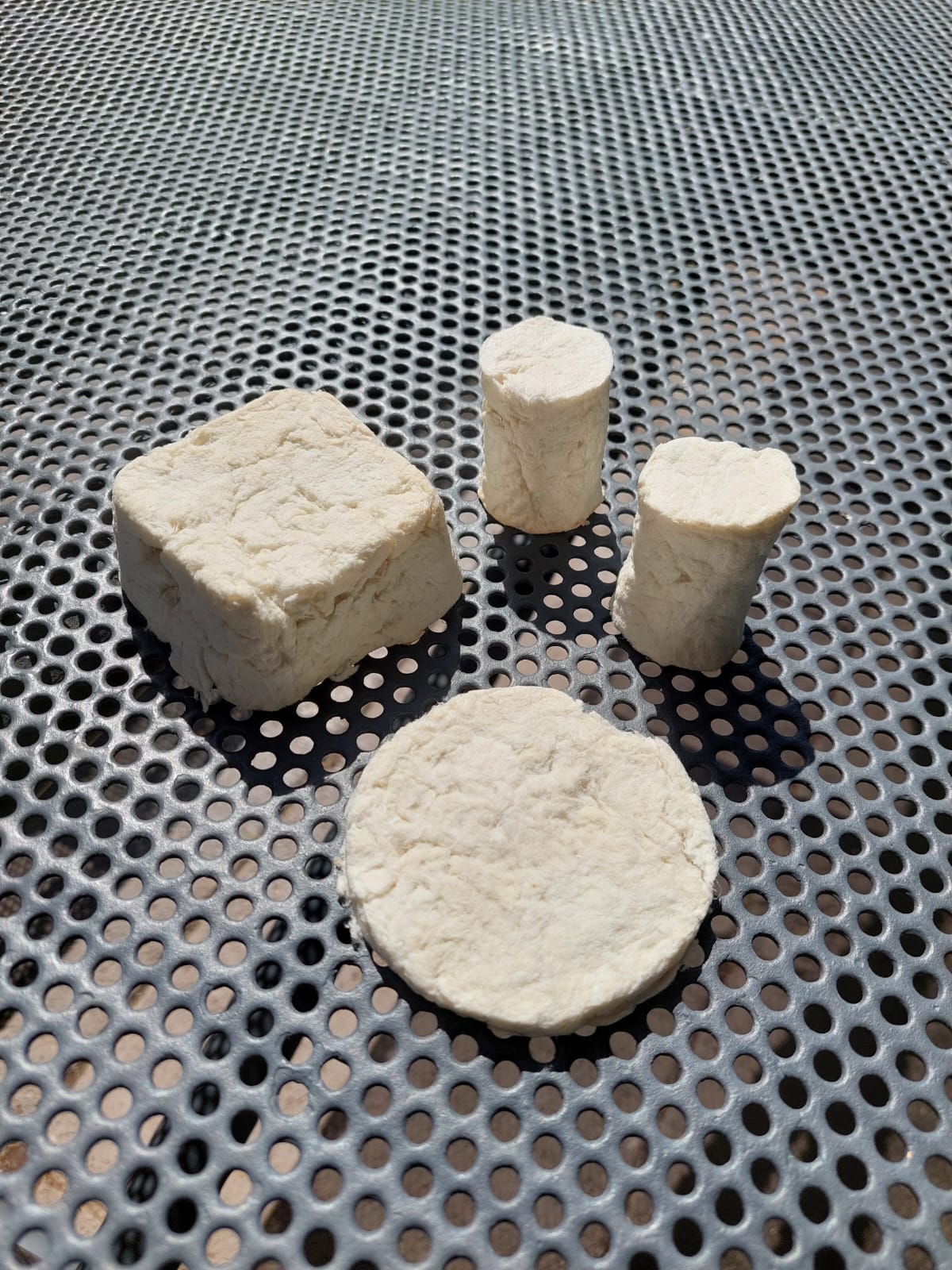
We replace Expanded Polystyrene (EPS) using cellulose acetate recycled from cigarette butts to create high-performance biocomposites.
Metric Tons
Of Expanded Polystyrene (EPS) generated, taking 500+ years to degrade in landfills.
EPS releases styrene and benzene. Meanwhile, billions of cigarette butts contaminate soil and water with heavy metals.
Both residues fragment, entering the oceanic food chain and causing respiratory and long-term health issues.
We revolutionize waste management by converting a severe pollutant (cellulose acetate) into a valuable resource for the packaging and construction industries.
Collection of cigarette filters from tobacco companies. Cleaning and decontamination process of cellulose acetate.
Integration with agar matrix, glycerin, and beeswax coating to create a homogeneous formula resistant to humidity and temperature.
Final applications in sustainable packaging, insulation panels, and eco-friendly construction materials.
Zero Waste
Stable at 100°C
Moisture Protection
Organic Fertilizer
Our biocomposite achieves a closed-cell foam structure that mimics industrial polystyrene, without the environmental cost.
| Feature | Polystyrene (EPS) | Panterra |
|---|---|---|
| Raw Material | Petroleum (Non-renewable) | Cellulose Acetate (Waste) |
| End of Life | 500+ Years (Microplastics) | 30-180 Days (Compostable) |
| Thermal Resistance | Flammable | Stable up to 100°C |
| Chemical Safety | Contains Styrene & Benzene | Non-toxic, industrially safe |
| Total Social Cost | Very High | Very Low (ESG Compliance) |
Validated at sustainability congresses and through feedback from industry leaders like Mercado Libre and BAT. Our B2B model charges no "Green Premium".
Food Delivery
$32B 2034
Global EPS
$13.8B
$22,000M
Total Available Market
$7,500M
Serviceable Available Market
$300M
Serviceable Obtainable Market
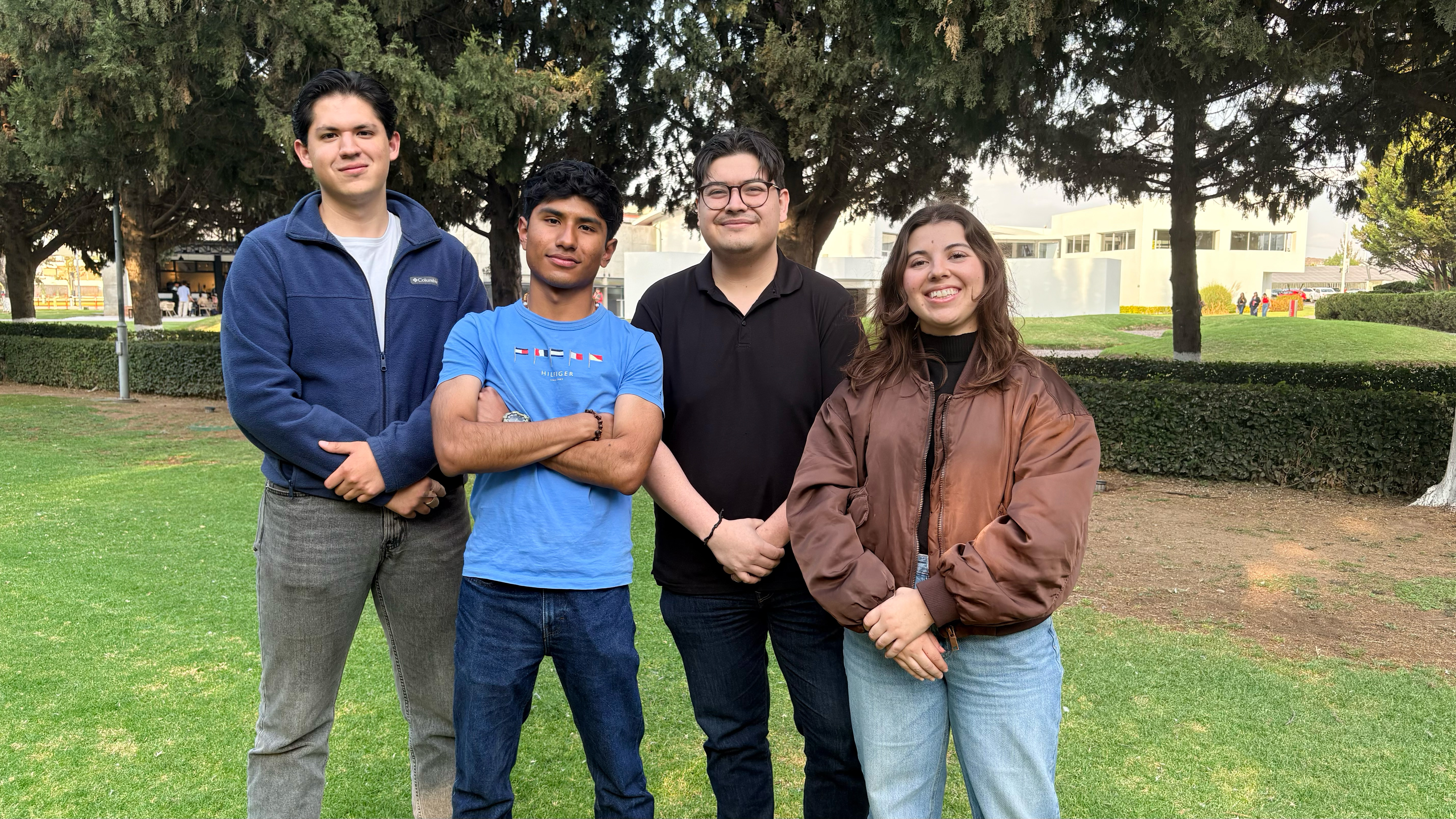
Researchers, Engineers, and Advisors from Universidad Panamericana.
Engineer
Engineer
Engineer
Engineer
Engineer